CH 03Picture and Sound
Dialogue Too Quiet? The Settings That Fix It, Brand by Brand
Quiet voices and loud explosions are built into how films are mixed. Two settings fix most of it, and every TV and streaming box names them differently.
CH 03 Section
Your television is working against you by default. Almost all of it is free to fix.
Channel notes
Your television arrived configured to win an argument on a showroom floor, in a room lit like an operating theatre, against a set standing next to it. That configuration is close to the worst possible one for watching a film at night.
This section covers what each setting actually does, where every manufacturer has hidden it, and what it takes to get the audio format the box promised. The naming is the hard part. The control marked Brightness sets the black floor on almost every set sold and does not add light. Motion smoothing has a different trade name on every brand. High dynamic range settings are stored separately from standard dynamic range ones, and often separately per input, which is why a picture gets fixed once and then appears to break again a week later.
Menu paths here are checked against each manufacturer's own support documentation rather than copied from other guides, which is how errors propagate through this entire category of writing. Where a set has a genuine physical limit, such as a panel too dim to show a high dynamic range film the way it was graded, we say that instead of offering a setting that cannot fix it.
CH 03Picture and Sound
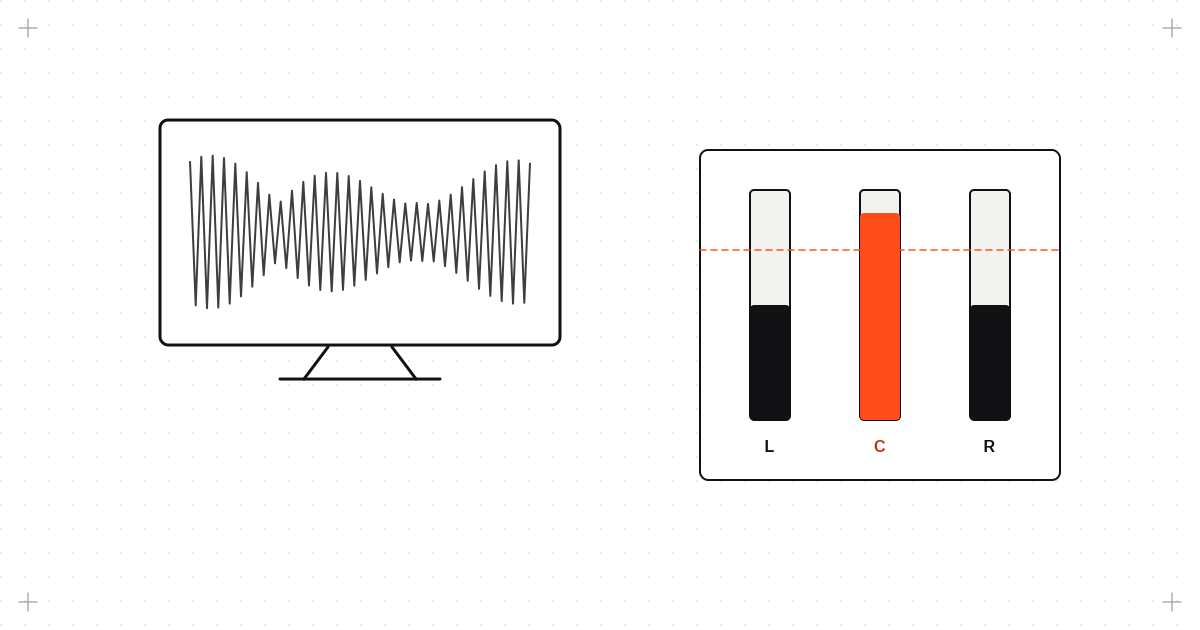
Quiet voices and loud explosions are built into how films are mixed. Two settings fix most of it, and every TV and streaming box names them differently.
CH 03Picture and Sound
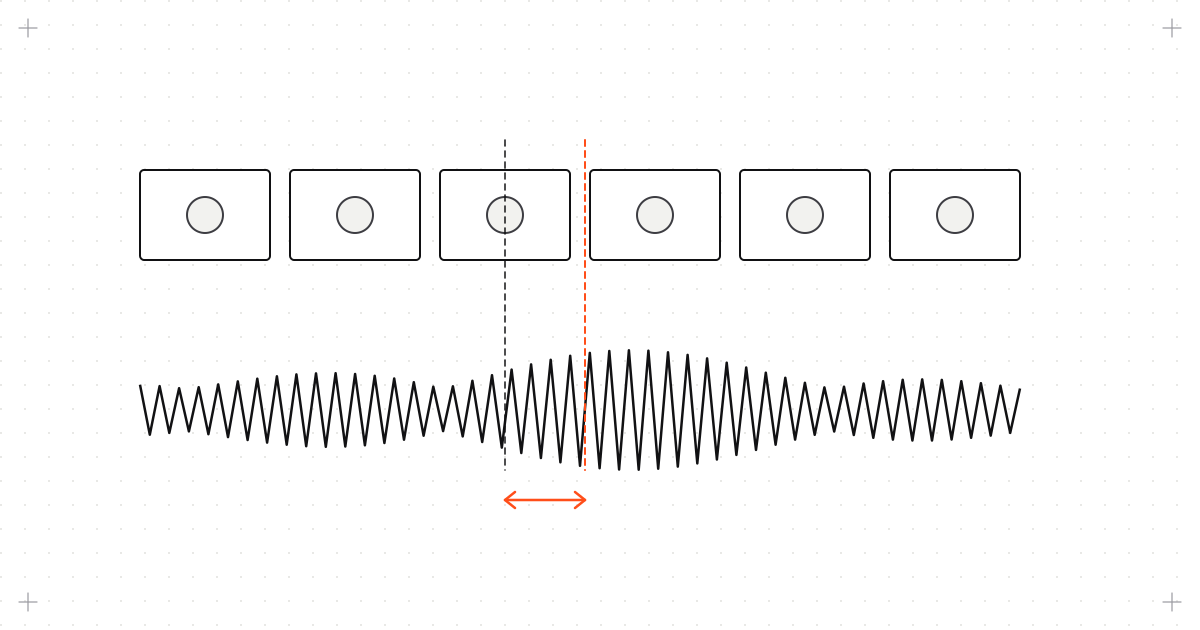
Out-of-sync sound often comes from processing in the TV or soundbar, not the stream. Work out which way it's off first, because most fixes only work one way.
CH 03Picture and Sound
Your TV, your streaming box and your plan each decide which HDR format reaches the screen. When one can't do Dolby Vision or HDR10+, you get HDR10.
CH 03Picture and Sound
Zooming a 2.39:1 film to fill a 16:9 screen pushes roughly a quarter of the width off the edges of the panel, and softens everything that is left.
CH 03Picture and Sound
It is not a picture preset so much as the absence of one. It switches off your television's processing and restores the film's own geometry.
CH 03Picture and Sound
The usual advice is that you need HDMI eARC. For streaming that is wrong, and the setting actually blocking you is the TV's audio output.
CH 03Picture and Sound
The setting that makes films look like daytime television is named differently on every brand. Here is what to look for and where it lives.
CH 03Picture and Sound
On most televisions the Brightness control sets the black floor, not light output. Here is the setting that actually does, and three more.