HDR10 is the common floor. Every TV brand and streaming device covered here plays it, so a 4K HDR title will reach almost any current setup in HDR. Dolby Vision and HDR10+ sit on top of it, and you only get one of them when the title, the TV, the box or app feeding it, and your plan all support that same format. When any link can't, the service sends its HDR10 version instead. The picture is still HDR. It just loses the scene-by-scene instructions.
What the four formats are
HDR10 carries static metadata: one description of the film's brightness that applies from the first frame to the last, so the TV chooses a single tone-mapping curve for the whole program. HDR10+ Technologies, the group behind the rival format, calls that approach "one-size-fits-all", which is fair as far as it goes.
HDR10+ adds dynamic metadata, which updates those instructions scene by scene. It's royalty-free, and Samsung co-founded the company that licenses it. A device that only understands HDR10 can still play an HDR10+ stream by reading the static part and ignoring the rest.
Dolby Vision is Dolby's proprietary dynamic format, and it does the same scene-by-scene job. Apple describes the two in almost identical words. Dolby has started rolling out a newer version, Dolby Vision 2, to some 2026 Hisense sets by firmware update.
HLG, or Hybrid Log-Gamma, comes from broadcasting. The BBC developed it with Japan's NHK to work with no metadata at all, because metadata tends to get lost in a live production chain, and an HLG signal still displays on a standard dynamic range set. YouTube uses it for HDR alongside HDR10.
Why the format matters less than the sticker suggests
The format doesn't make a TV brighter. HDR10+ Technologies says so itself: a set with 1,000 nits of peak brightness shows every HDR format at the same maximum. The panel decides how good HDR can look. The metadata only decides how the TV spends what it has.
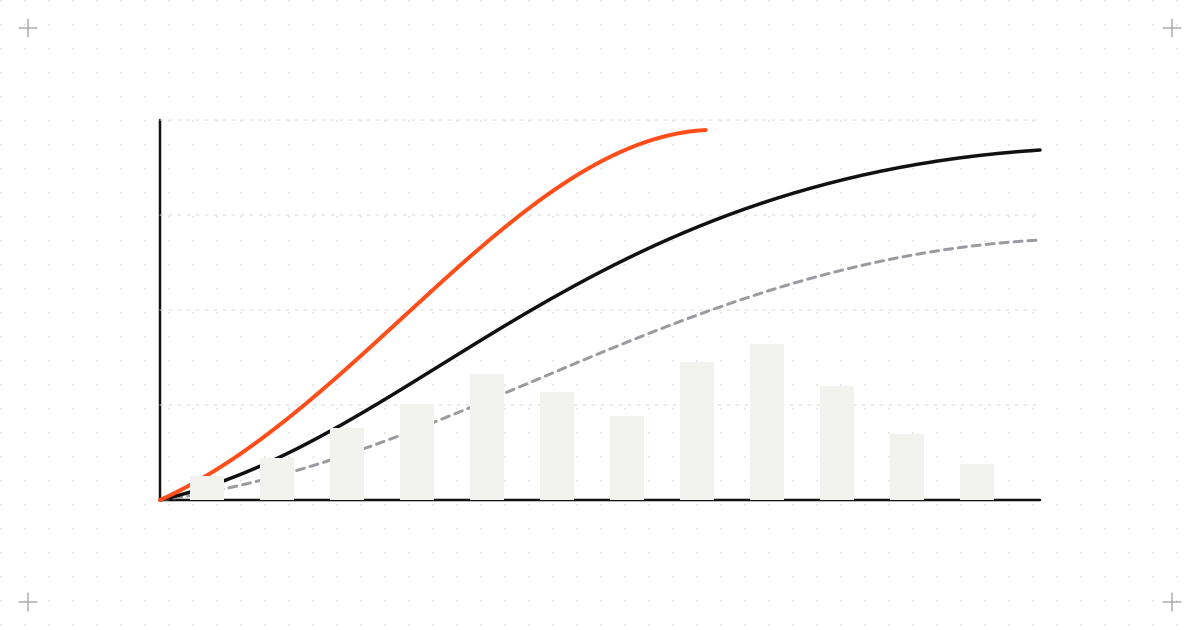
Where dynamic metadata earns its place is tone mapping. When a film's grade goes brighter than the TV can, the set has to compress it into the range it can show. With one curve for the whole film, a dark scene can lose its shadow detail and a bright one its highlights. Scene-by-scene data lets the TV compress each scene differently. On a very bright set there's little to compress and the gain is small. On a dimmer one, it's where the difference shows, and it's the same compression that makes some HDR look darker than SDR on the same TV.
TV makers also run their own tone mapping on HDR10. LG, which doesn't support HDR10+, lists Dynamic Tone Mapping in the spec for its 2026 C6 OLED.
Which TV brands support which formats
All six brands below list HDR10 and HLG. The split is over the two dynamic formats.
Samsung: HDR10+, no Dolby Vision
Samsung's US spec pages for its 2026 sets, from the budget Crystal UHD U8000H to the S90H OLED, list HDR10+ and carry no Dolby Vision line at all. HBO Max's own device list puts Samsung's Tizen TVs under HDR10 rather than Dolby Vision, so its Dolby Vision titles play as HDR10 there. HDR10+ also depends on each app catching up. Samsung said Netflix's HDR10+ would start on its 2025 Neo QLED, OLED and lifestyle TVs, while Disney+ HDR10+ reaches its Crystal UHD sets and above from 2018 onward.
LG and Sony: Dolby Vision, no HDR10+
LG's US spec for the 2026 C6 OLED lists Dolby Vision, HDR10 and HLG. The cheaper 2026 QNED75B lists only HDR10 and HLG, so Dolby Vision isn't a given across LG's range either. Sony's compatibility page lists HDR10, HLG and Dolby Vision for its Google TV BRAVIA models and never mentions HDR10+. On either brand, an HDR10+ stream plays as plain HDR10.
TCL, Hisense and Vizio: both
These sets rarely have to fall back. TCL's 2026 QM7L lists Dolby Vision IQ, HDR10, HDR10+ and HLG. Hisense's 2026 U7 spec sheet lists Dolby Vision, HDR10, HDR10+ and HLG, plus the IQ and Adaptive variants. Vizio's 43-inch Quantum lists Dolby Vision, HDR10+, HDR10 and HLG. Check the exact model anyway, because budget lines are where formats get cut, as LG's QNED75B shows.
What each streaming service delivers
| Service | Dolby Vision | HDR10 | HDR10+ | HDR on which US plan |
|---|---|---|---|---|
| Netflix | Yes | Yes | Yes | Premium only |
| Prime Video | Yes | Yes | Yes | Included with Prime. 4K itself needs the Ultra add-on |
| Disney+ | Yes. Dolby says Premium only | Plan page says HDR without naming a format | Yes, launched on Samsung TVs | Both plans list 4K and HDR |
| HBO Max | Yes | Yes | Not documented | Premium. Some live sports also on Standard |
| Apple TV app | Yes | Yes | Not documented for the app | Purchases play in the best format your device supports |
| Paramount+ | Yes | Yes | Not documented | Premium |
| Peacock | Badged on some titles | Badged on some titles | Not documented | 4K on Premium and Premium Plus |
Last verified: 8 October 2026.
Read each row as a ceiling. The service picks the best version every link in your chain can handle, and the HDR10 version is the usual landing spot. Netflix says that if any device or cable falls short, it plays the highest quality that link supports. Apple says that on Apple TV 4K, content plays in whichever HDR format your TV is compatible with. And Amazon tells studios that Prime Video derives its HDR10 version from the Dolby Vision master, which is why a Dolby Vision title still arrives in HDR on a Samsung.
Two catches. Netflix notes that some TVs and boxes have HDR switched off inside its app by default. To check:
- Open Netflix and press Back on the remote at the home screen.
- Select Get Help, under your profile icon if the menu runs along the top.
- Select Video.
- Choose HDR On.
HBO Max, for its part, says live sports may stream in HDR10 or SDR rather than Dolby Vision on some devices, including LG TVs and the Chromecast with Google TV.
The box in between decides too
A streaming stick can quietly remove a format your TV and plan both support.
- Apple TV 4K: the 2022 third generation outputs HDR10, HDR10+ and Dolby Vision. The 2021 and 2017 models do HDR10 and Dolby Vision only. Apple TV 4K switches formats automatically only when the TV accepts them at 60Hz.
- Roku: the 2024 Roku Ultra and the Streaming Stick 4K do all four formats. The 2025 Streaming Stick Plus and the Express 4K+ list HDR10, HDR10+ and HLG, with no Dolby Vision.
- Fire TV: the Fire TV Stick 4K Max (2nd Gen) and the 2025 Fire TV Stick 4K Plus do all four. The 2025 Fire TV Stick 4K Select and the new 2026 Fire TV Stick 4K (3rd Gen) list HDR10, HDR10+ and HLG, without Dolby Vision.
- Google: the Google TV Streamer and the 4K Chromecast with Google TV do all four. The HD Chromecast with Google TV skips Dolby Vision.
So a Dolby Vision TV fed by a Roku Streaming Stick Plus or the 2026 Fire TV Stick 4K will never show Dolby Vision, whatever the plan. The TV's built-in app for the same service may be the better source.
Many sets also store picture settings separately for each HDR format, so a change made during HDR10 playback won't follow you into Dolby Vision. The same goes for Filmmaker Mode: select it while the format you care about is playing. And if a title's page says HD rather than 4K, the HDR format is the least of it. The five things that block 4K come first.